
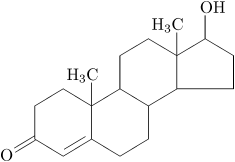
Testosterone Replacement Therapy
Testosterone Replacement Therapy is a form of hormone replacement therapy (HRT) whereby a man’s testosterone production is increased by replacing his natural testosterone with a synthetic version. As men age, their natural production of testosterone decreases each year. A combination of genetics, bad lifestyle habits and aging can speed up the process.
Once males get past the age of about 30, testosterone levels start to decline year on year. Although this decline is roughly less than 2% per year, it can have a major impact on both mental and physical performance the older you get.

Symptoms of low testosterone can include the following:
- Lack of concentration (brain fog)
- Loss of muscle mass
- Loss of bone mass
- Poor recovery
- Low sex drive (including erectile dysfunction)
- Fatigue
- Increased fat levels
- Decrease in mood
- Loss of focus
Is TRT right for me?
The thing to remember is that most of the above symptoms can also come from a poor lifestyle so if you are overweight, out of shape, have a poor diet and drink alcohol then TRT is the last place you need to be looking. Although many people don’t want to hear it and just want a quick fix, making even small changes in lifestyle can boost testosterone levels.
Stress and lack of sleep are also major culprits of knocking testosterone levels back. Cortisol ( stress hormone) really is the nemesis of testosterone so where possible try to manage stress levels as best you can.
I’ve made changes but still feel low?
So, you have had a good go at improving your diet, swapped your pints of beer for something better, started doing some exercise and reduced stress where possible but you’re still not feeling quite right. What’s the next step?
Before jumping straight in and taking testosterone, you need to find out where your current levels are sitting. This is why lifestyle changes are important first as this gives a more accurate guide of your natural levels. If you are comfortable having a conversation with your doctor then go to them and explain your symptoms and request a blood test. Unfortunately, unlike the USA, it’s harder to get the TRT process started, especially if you are under 40. Worth a go though if you have a good relationship with your doctor. If you get the green light, you will be referred to an endocrinologist once your blood test results are in.
If you prefer to get the blood work done without your doctors’ knowledge then there are several companies that are happy to do this for you. One such company is medichecks.

The type of results you are looking for are listed below:
- Testosterone
- Free Testosterone (calculated)
- FSH – Follicle Stimulating Hormone
- LH – Luteinizing Hormone
- SHBG – Steroid Hormone Binding Globulin
- Oestradiol
- Prolactin
These will often be covered by one umbrella test, medichecks have one called Sports Hormone Plus but you can search and see which one suits you best. You can also ask for a doctor to comment on your results if you wish. These companies send you out a pack containing test tubes so you can prick your finger and send the blood back. Personally, I would pay the extra money ( approx. £25) and just go to a local clinic to have the blood taken for you. This then gets sent off and you receive the results via email in about 3 days.
What will TRT involve?
There are many permutations that could be discussed but for ease let’s say your results show a need for TRT. At the time of writing the NHS provides a couple of options. One way is to self-administer a testosterone gel that you rub on the skin. These can vary in dosage from 5mg up to about 15mg. Feedback on these gels seemed mixed as they work for a couple of weeks then the effects diminish, probably because the dosage is too low (this is discussed further down).
The other and more commonly prescribed option is a 2/3-month injection called Nebido. You will need to have a repeat prescription and this injection will be administered by a nurse. They should monitor your levels for a few months to check the dosage is right for you. The people who we have encountered on this all say that 2 months is the limit as after that they can feel the effects drop.
If you chose to do all this through a private clinic then you will have a far more frequent injection that you administer yourself but they again monitor your progress and make changes where needed. Obviously as it’s private you will be paying a fair amount for the service.
Side effects.
The absolute main thing to remember when adding extraneous testosterone is that your own body will cease to produce its own, at least while you keep adding it in. TRT is generally a life long thing so this is not a major problem but if you were to cease taking it for any reason you would have to take substances to get your natural testosterone working again. The worst thing you can do is to stop taking it (very common amongst steroid users, unfortunately) as this will leave you with zero testosterone. Anyone that has experienced this will tell you how chronically bad you will feel. If you think low testosterone levels are bad, try zero!
Make sure you find out from your doctor/clinic what the plan is should you decide to cease taking TRT.
Another thing to discuss is anti-estrogens. Not everyone will need these but you will soon know as your nipples may become more sensitive. Man boobs are not a great look so ask about these before starting and make sure they are available to you if needed. As the dosage is quite low most side effects are not encountered but always keep an eye on things and note any changes. The optimum upside to TRT is to start feeling more positive about life, more muscle size and strength and a general better feeling all round.
Once your own production ceases your testicles will ‘power down ‘so be prepared for some shrinkage! This shouldn’t be a problem if you know what’s happening but again there is a solution called HCG. Don’t think the NHS dish this out to everyone but private clinics sometimes do as part of the package.
Summary
The main thing with hormones is to know that they are extremely potent and go in with your eyes open and make sure you have researched as much as you can. The first step is to get everything else in place like diet, exercise, and a good supplement support system. Zinc Matrix, Testo Fusion and a good multivitamin are also essential to get your system working with you. Most people blame things on age when its purely lifestyle causing the problems. Once this is reviewed you can see exactly how you feel and see a doctor if symptoms still persist. Don’t get fobbed off (Doctors aren’t great on testosterone) so go in knowing exactly what you are after.

Dosage
The bit everyone has probably skimmed straight to! It’s important to know that we are obviously not doctors so this part is based on blood tests done by several people over many years. To reiterate, the following information is from men that had their levels checked before starting and redone regularly every 6-8 months.
The main consensus on dosage seems to be 175mg a week of testosterone. This equates to 25mg a day. Depending on your tolerance of needles you can do daily, alternate days or a shot every 5 days. Some people do an injection every 10 days but again this can lead to lower levels in the days before the next injection, hence every 5 days works well. Small insulin needles, 1ml 25 gauge, work well and leave no real scar tissue.
As mentioned further up if you start getting itchy nipples then an anti-estrogen may be required. These can be quite potent so only a small dosage is needed (approx. 0.5mg Anastrozole per 7/10 days), men still need some estrogen for optimum hormone levels.
Example of results:
These are the results of a man in his early fifties who, out of curiosity, had a test to check his testosterone (amongst other things) as he was feeling slightly out of sorts, nothing major but felt he could have more drive and focus.
| RESULTS | NORMAL RANGE | |
|---|---|---|
| Testosterone | 5.75 | nmol/L 7.60 – 31.40 |
| Free Test (Calc) | 0.218 | nmol/L 0.30 – 1.00 |
As you can see, his levels were both below minimum range which would explain the lackluster feeling. After research (and a change of lifestyle), he decided to start TRT at 175mg per week. He went through a private clinic so received a 250mg vial of Sustanon, which is a longer acting testosterone and proceeded to inject 125mg every 5 days (25mg per day).
After 6 months he got his blood work redone and below are the results.
| RESULTS | NORMAL RANGE | |
|---|---|---|
| Testosterone | 18.15 | nmol/L 7.60 – 31.40 |
| Free Test (Calc) | 0.645 | nmol/L 0.30 – 1.00 |
Looking at the second set of results you can clearly see a big difference in the values. It actually took about 3 months for him to really feel the increase but he felt better in himself after around the 4-week mark so patience is everything. Obviously, if you feel worse or not right then speak to your doctor or clinic immediately.
The interesting part is that after another 6 months the testosterone level had peaked at 24 so he was really noticing a difference. Also, we had given him a diet and training routine as there were other items on his original blood test that needed addressing, such as cholesterol, and these had also improved. So yes, the TRT has worked brilliantly, but he made a complete lifestyle change to justify doing it in the first place and has never looked back.

